Year of Establishment: 2014
The University Interdepartmental Research Centre on “Tissue and Organ Adaptation and Regeneration” (ARTO) was established within the Department of Clinical and Experimental Sciences (DSCS).
When the Centre was established, faculty members and researchers affiliated with the Department of Clinical and Experimental Sciences and the Department of Medical and Surgical Specialties, Radiological Sciences and Public Health were directly involved in its activities.
The Centre’s interdisciplinary activities are open to faculty members from other Departments of the University of Brescia, as well as to external experts with appropriate and documented scientific expertise. Applications for affiliation are reviewed and approved by the Steering Committee.
The ARTO Centre has its administrative headquarters at the Department of Clinical and Experimental Sciences, Viale Europa 11, Brescia.
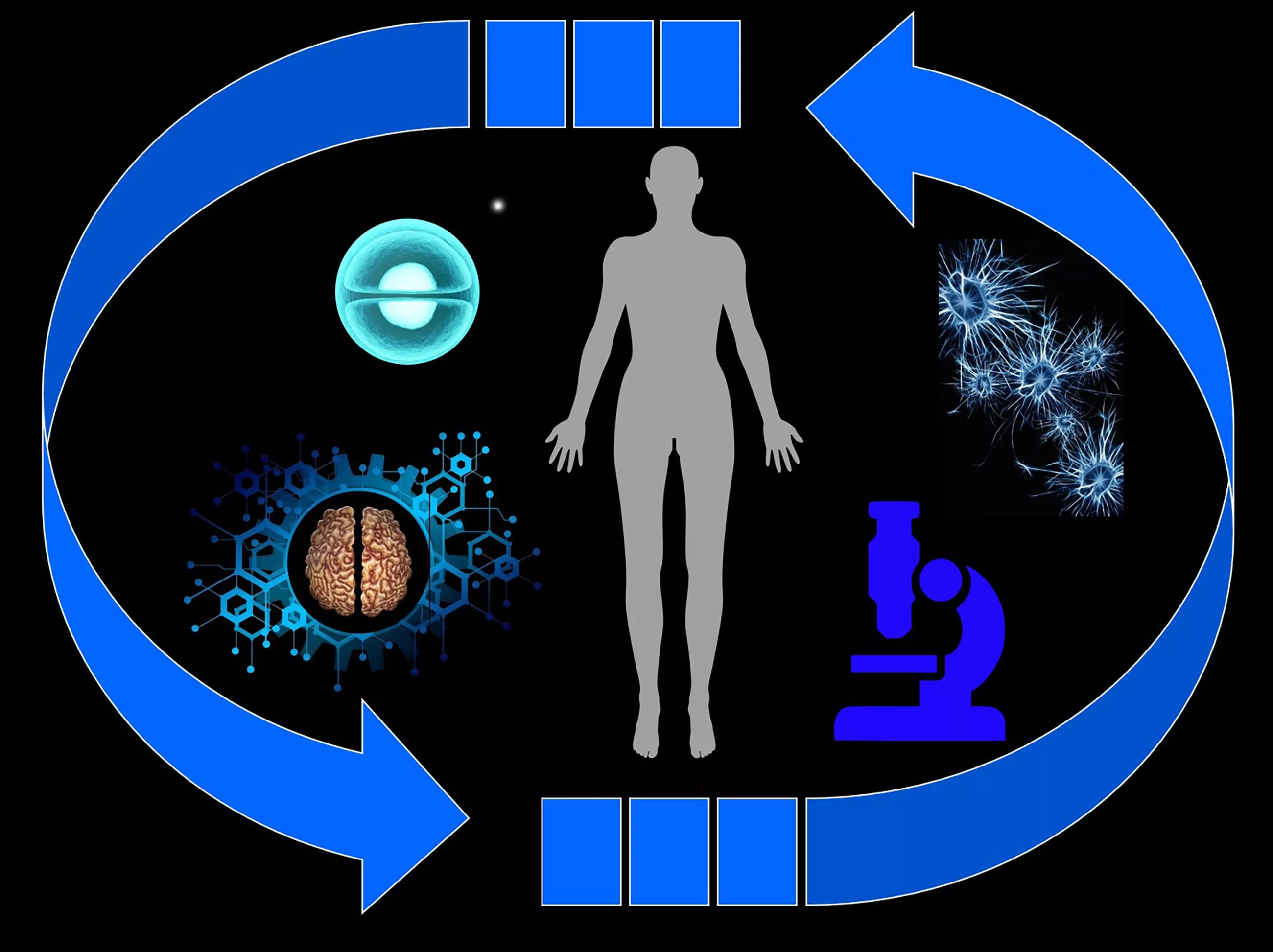
The Centre’s research activities are rooted in the life sciences and focus on tissue adaptation and regeneration, as well as on the biological and physiological processes involved in maintaining the organism’s homeostasis.
The term tissue regeneration refers to the ability of an organism to repair or replace damaged tissues, both through physiological processes and through different clinical approaches associated with various fields of regenerative medicine, with the aim of restoring anatomically and/or functionally compromised conditions.
Adaptation, on the other hand, refers to the ability of an organism to respond and adjust to different environmental conditions and/or functional and pathophysiological demands affecting individual organs, while maintaining internal equilibrium. This process may occur over either the short or long term and may result in physiological changes that persist over time. It is also essential for the survival and well-being of the organism, enabling it to respond appropriately and promptly to its changing needs.
The ARTO Centre aims to promote and integrate research activities investigating the main morphological and molecular mechanisms underlying tissue regeneration, with a particular focus on the degenerative, regenerative, plastic and adaptive processes affecting the cellular components of different organs.
These research activities are closely connected with the evaluation and development of innovative technologies and may contribute to advancing scientific knowledge, technological innovation and clinical applications in the fields of regenerative medicine and tissue engineering. They may also support the development of new approaches and methodologies for scientific research in tissue and organ regeneration.
Tissue regeneration is a complex process influenced by sex and gender. Sex- and gender-related differences may affect the inflammatory response, wound-healing capacity and susceptibility to different forms of organ dysfunction, thereby influencing tissue regeneration, physiological adaptation and the development of specific diseases.
Furthermore, regenerative medicine offers new perspectives for the treatment of pain by harnessing the body’s regenerative potential to repair damaged tissues and organs and, consequently, to reduce or eliminate pain associated with various pathological conditions.
In recent years, research has shown that stress, anxiety and depression may affect the immune system and delay tissue and organ healing processes. Conversely, positive emotional states and good mental health may have a beneficial impact on tissue regeneration. Although research in this field is still ongoing, emerging evidence suggests that the mind–body connection may play an important role in supporting tissue adaptation and regeneration. Accordingly, the psychosomatic dimension will be an integral part of the Centre’s research activities.
To achieve these objectives, the Centre promotes research and studies focusing on:
- identifying the biological and pathophysiological processes underlying tissue adaptation and ageing, with particular attention to morphological, macroscopic, microscopic, ultrastructural and molecular aspects, as well as to the development of new approaches for prevention, diagnosis and treatment;
- investigating the molecular mechanisms involved in cellular stress and death, including apoptosis, ferroptosis and pyroptosis;
- characterising the mechanisms underlying the cellular response to oxidative stress and cell death, which play a key role in tissue and organ degeneration;
- investigating the biological processes involved in tissue regeneration;
- exploring the role of the tissue microenvironment in regulating cellular proliferation and differentiation;
- identifying sex- and age-related differences in tissue regeneration and organ adaptation;
- developing and applying innovative tissue engineering techniques to create experimental models for investigating the pathophysiological mechanisms involved in degenerative diseases;
- applying tissue engineering approaches to develop tissue substitutes for regenerative medicine;
- investigating novel methods and biologically active molecules and substances for promoting tissue regeneration;
- exploring adaptive psychosomatic mechanisms.
These activities are complemented by:
- the advancement of scientific knowledge and the development of innovative therapeutic approaches;
- lectures by national and international experts addressing the Centre’s main areas of research.
National and international experts with specific and documented scientific expertise in the areas of interest of the Centre may participate in its activities.
To join the ARTO Research Centre, applicants must submit the completed membership form together with their CV, documenting specific experience relevant to the Centre’s research areas, by email to [email protected].
Applications for membership will be submitted to the Steering Committee for approval.