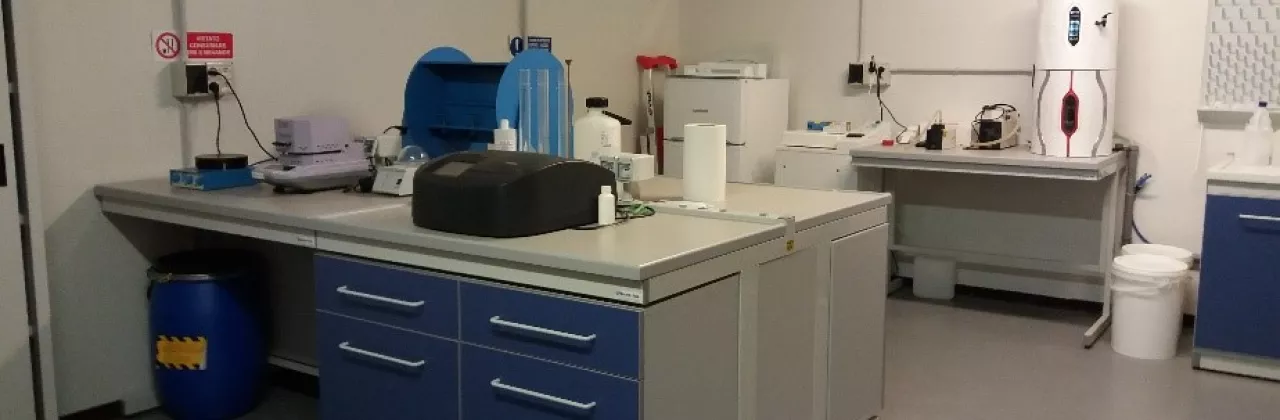
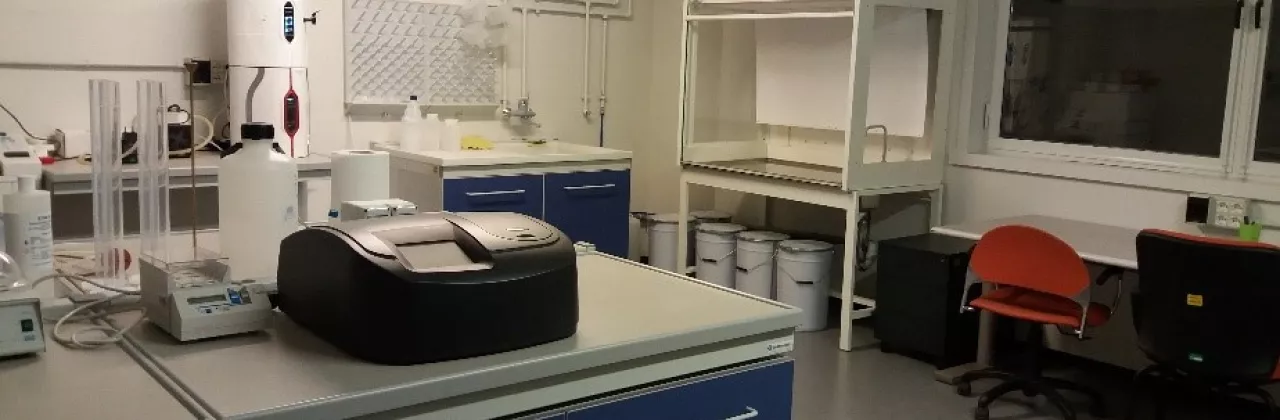
PURPOSE
The Sanitary and Environmental Engineering Laboratory provides technical and scientific support for experimental research conducted under third-party contracts with companies, aiming to strengthen interactions with the local community and businesses. Experimental research activities are also conducted as part of research projects funded by the University and competitive national and international calls for proposals.
The laboratory characterizes contaminated liquid and solid matrices, performing basic chemical and microbiological analyses. Samples to be examined are prepared (e.g., eluates) for subsequent, more specific analyses (e.g., toxicological tests) performed at other laboratories. Processes for the treatment and reuse/recovery of wastewater, drinking water, waste (solid and liquid), and soil are also tested.
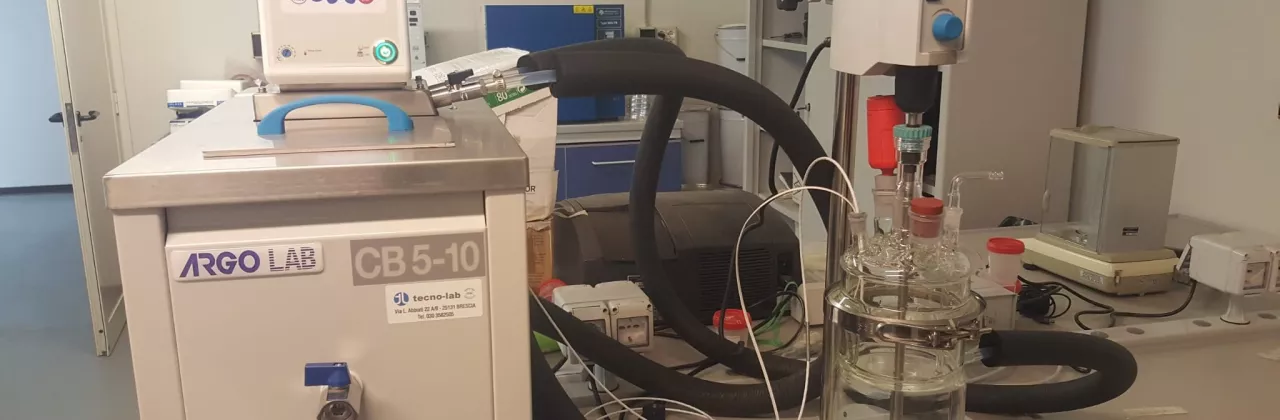
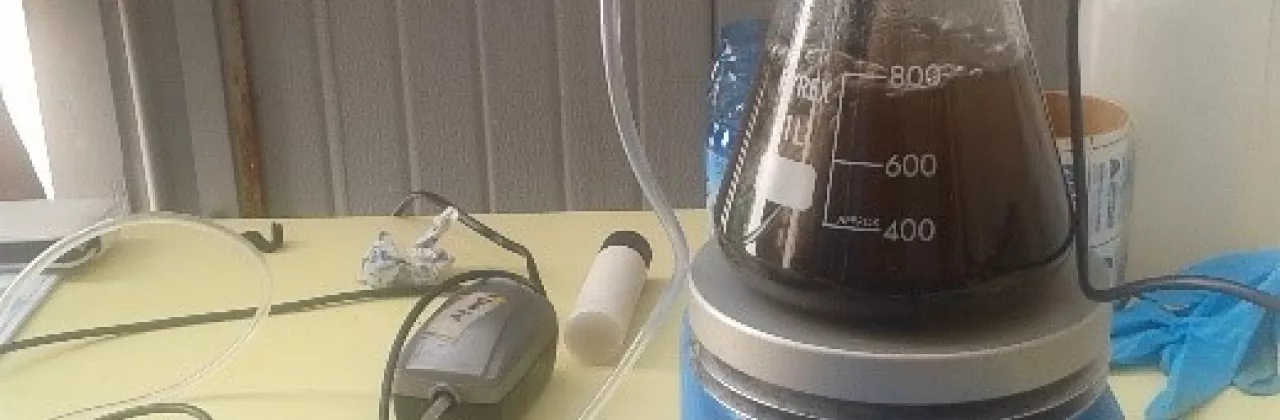
Processes and technologies are studied at batch and small-scale pilot scales in the laboratory, as well as through support for field pilot plant experiments.
The laboratory is also used for teaching activities and internships preparatory to degree theses.
WHERE WE ARE
Head office : via Branze 36, 25123, Brescia
Branch office: Brixiambiente Srl - Via Molino Emili 22, 25030 - Maclodio, Brescia
RESEARCH GROUP
Giorgio Bertanza
Sabrina Sorlini
Mentore Vaccari
Alessandro Abbà
Marta Domini
with the collaboration of post-graduate research fellows, PhD students and research fellows.
ACTIVITIES
Drinking Water
- Study of conventional and advanced treatments applied to surface and groundwater purification.
- Research and testing, at laboratory and pilot scale, of technologies for the removal of specific pollutants (e.g., emerging pollutants, arsenic, pesticides, disinfection byproducts, etc.).
- Conducting tests and monitoring to verify the functionality of water treatment plants.
- Study of technologies/solutions for the management of wastewater generated in water treatment plants.
Wastewater, sewage sludge, and liquid waste
- Support for plant management through functionality tests conducted both in the laboratory (Oxygen/Phosphorus Uptake Rate (OUR/PUR) tests, Ammonia Utilization Rate (AUR) tests, settleability tests) and in the field (e.g., aeration system testing).
- Study of innovative technologies for the removal of emerging pollutants.
- Testing of advanced processes for sewage sludge treatment. Experimental tests to verify the potential energy production from sludge.
- Study of processes and technologies for recovering material resources from wastewater.
- Energy audit of sewage treatment plants.
Solid waste
- Testing of conventional and innovative inertization treatments for industrial waste.
- Testing of treatments for recovering critical metals from electronic waste.
- Recycling of organic waste and waste biomass through biochemical and thermal processes.
- Activities involving the recovery of industrial waste (e.g., steel mill slag, waste incineration slag, demolition waste, mining waste) for use in the construction sector (concrete products, geotechnical works, etc.).
- Laboratory testing for chemical, physical, and geometric analysis of materials for recovery.
- Evaluation, through leaching tests, of pollutant release from tested waste and materials obtained from waste recovery.
Gaseous Emissions
- Treatment technologies for gaseous emissions from production processes and water and waste treatment.
- Study and development of odor control systems in water and waste treatment plants.
Contaminated Sites
- Optimization of conventional processes for treating contaminated matrices (soil and/or groundwater) such as bioremediation, soil washing, and chemical oxidation/reduction.
- Testing of unconventional processes such as chemical oxidation with ozone, in situ thermal desorption, reductive dehalogenation, and phytoremediation.
- Experimental verification of the effectiveness of innovative reagents.
Environmental Assessment Models and Tools
- Techno-economic-environmental analysis of the feasibility/applicability of environmental engineering systems, technologies, and processes.
- Standardized (based on LCA principles) and innovative systems for assessing the environmental footprint of plants, processes, products, and organizational systems.
- Diagnostics and models for functional verification and optimization of processes and treatment plants (e.g., GPS-X software).
- Process automation (e.g., automatic air supply control – Oxyfuzzy patent).
- Techno-economic-environmental performance assessment of integrated municipal waste management systems.
- Activities supporting the development of Water Safety Plans for drinking water treatment systems.
- Health and environmental risk analysis applied to contaminated sites and landfill sites.
- Preparation of monitoring plans for water and waste treatment plants, environmental matrices, and contaminated site characterization plans.
- Analysis of material and energy recovery scenarios from production processes with a view to the circular economy.
CONTACTS
[email protected]
Person in charge: Prof. Sabrina Sorlini- [email protected]
Supervisor: Prof. Alessandro Abbà - [email protected]