The University of Brescia is one of the partners in the PRESTIGIOUS project, one of six studies selected by the 2025 Call for Proposals of the AriSLA Foundation, the leading Italian non-profit organisation dedicated to supporting research into ALS, a neurodegenerative disease that affects around 6,000 people in Italy. The initiative involves a total investment of €830,000, allocated to six innovative projects involving eleven research groups in eight Italian cities: Bari, Brescia, Genoa, Milan, Monza, Naples, Rome and Turin. Three of these projects fall into the Full Grant category: they are multi-year, multi-centre research projects, supported by solid preliminary data and focused on particularly promising scientific areas. The other three are Pilot Grants, annual projects designed to explore original and potentially transformative ideas.
The three-year PRESTIGIOUS project falls into the Full Grant category and has received €240,000 in funding. The aim of the study is to validate an innovative therapeutic approach for familial ALS linked to mutations in the TARDBP gene, which encodes the TDP-43 protein, a crucial element in the pathogenic mechanisms of ALS. The research is coordinated by Prof. Ernesto Picardi of the University of Bari Aldo Moro, with the scientific collaboration of Prof. Alessandro Barbon of the University of Brescia and Prof. Antonia Ratti of the University of Milan and IRCCS Istituto Auxologico Italiano.
The proposed strategy, in line with the increasingly urgent need for precision medicine, is based on RNA correction using ADAR enzymes, which are capable of acting in a site-specific manner on altered genetic information. Unlike DNA modifications, this technology leaves the genetic programme unchanged and, in the event of adverse effects, can be interrupted at any time. The tests will be conducted in vitro on motor neurons obtained from induced pluripotent stem cells from patients. The objectives of the study are to develop short guide RNAs (gRNAs) capable of promoting the positioning of ADAR enzymes on mutated TARDBP sequences and to validate the effect of these gRNAs in motor neurons derived from induced pluripotent stem cells (iPSCs) from patients with specific genetic forms of ALS.
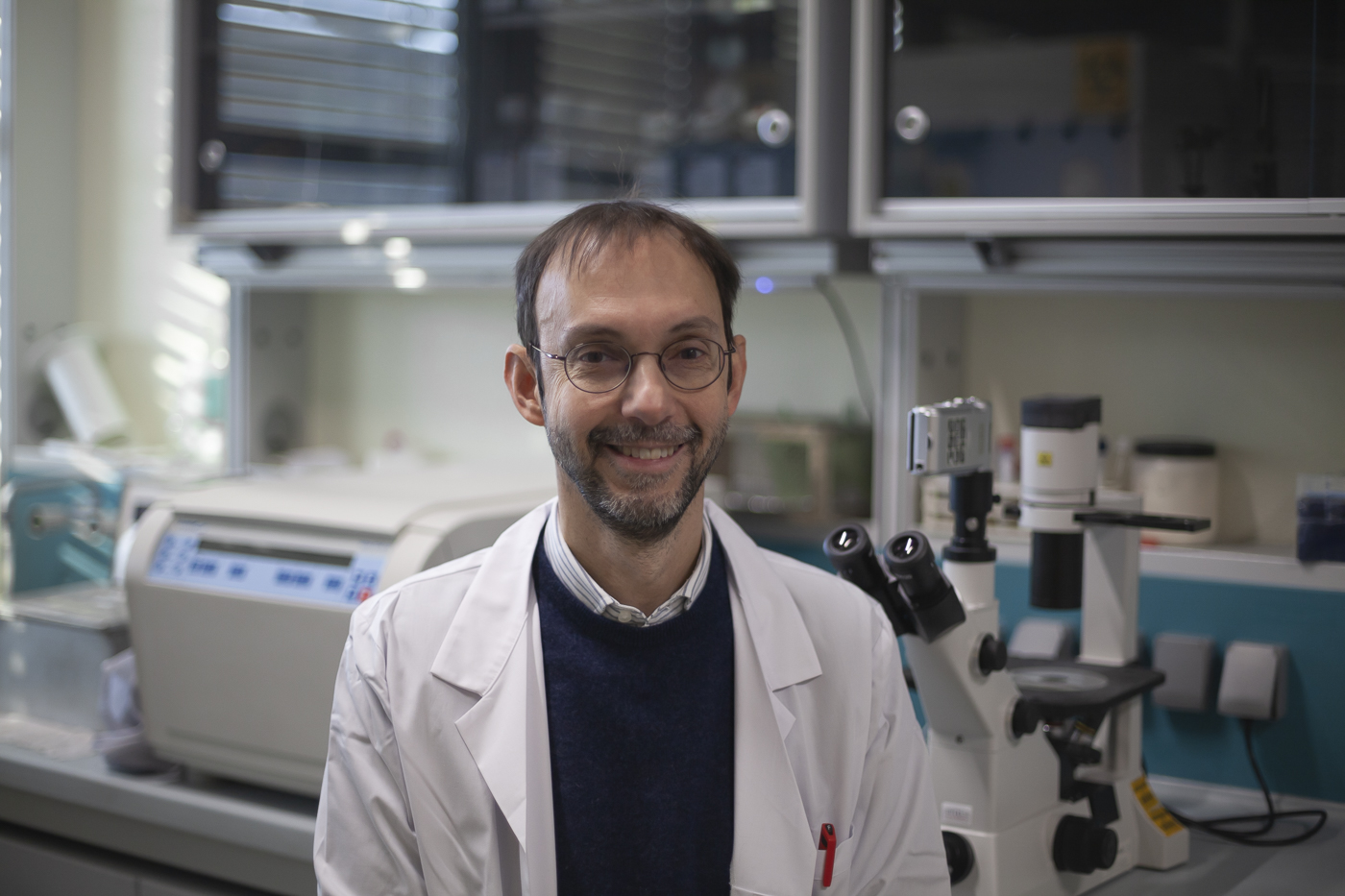
The Brescia team, led by Prof. Barbon, will play a decisive role in the development of the RNA guide molecules needed to precisely target ADAR enzymes to the mutations to be corrected, an essential technological component for the validation of the entire therapeutic approach.