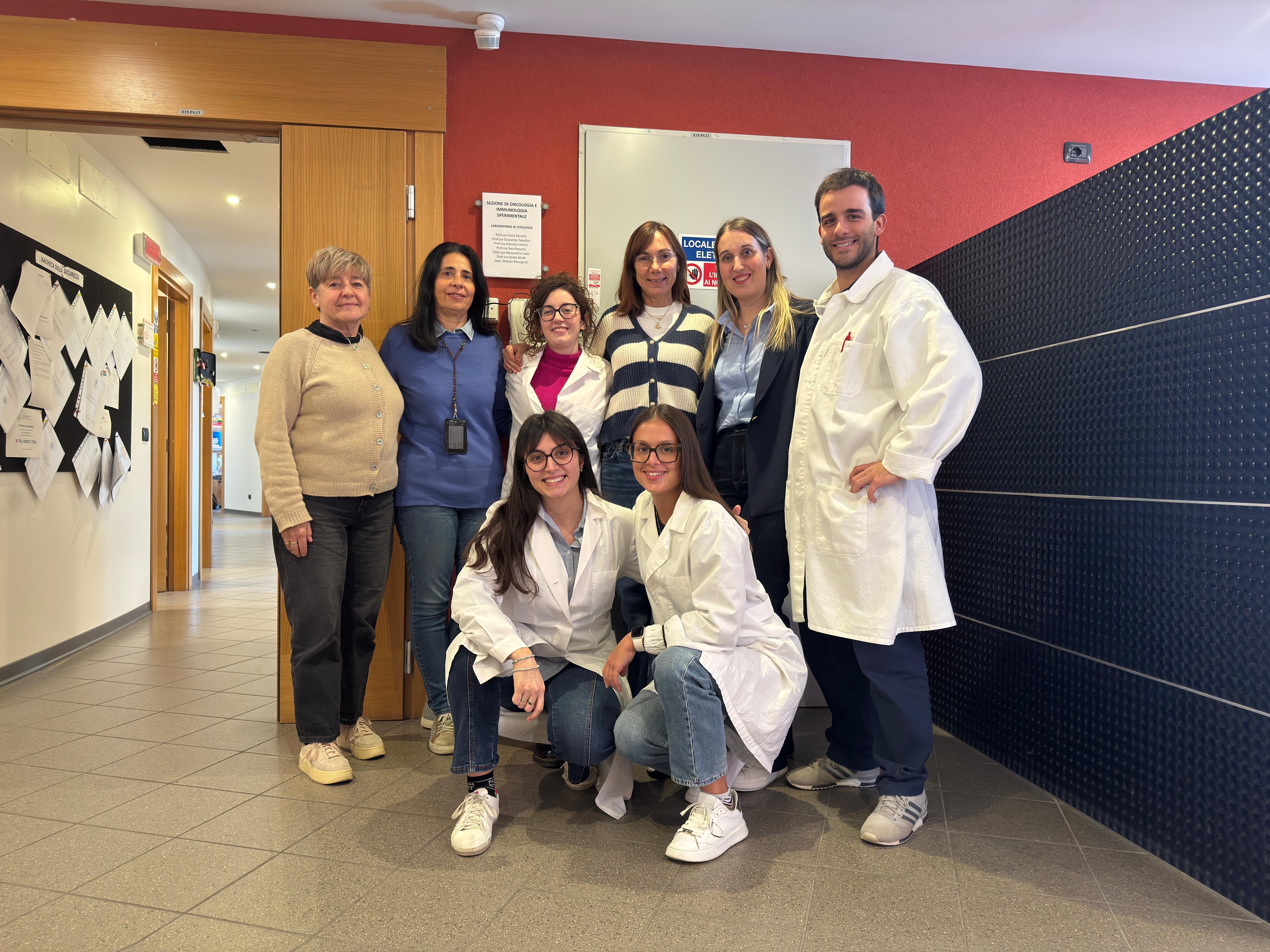
The research project of the Histology Laboratory of the Molecular and Translational Medicine Department investigates the role of Natural Killer (NK) cells, key components of the innate immune system, in the defense against uveal melanoma. This is a rare tumor affecting the uvea, an internal structure of the eye that plays a crucial role in nourishing ocular tissues and maintaining their proper function. Despite advances in diagnosis and clinical management, uveal melanoma remains a complex disease, particularly due to its high risk of metastasis. NK cells are able to rapidly recognize and eliminate abnormal or tumor cells, acting as a first line of immune defense. However, uveal melanoma can significantly impair their activity by releasing signals within the tumor microenvironment that limit NK cell function. Among the molecules potentially involved in this process, research is also focusing on BMP4, a protein that may contribute to the suppression of NK cell activity. The aim of the study is to gain a detailed understanding of how uveal melanoma modulates and weakens the NK cell response, in order to identify new therapeutic targets. These insights may support the future development of more targeted treatments, including combination strategies with immunotherapies currently under investigation, such as enhanced or laboratory-modified NK cells, which are being explored by other research groups in the field of oncology.
Data news